
Plant-Based Eating: Do It Your Way
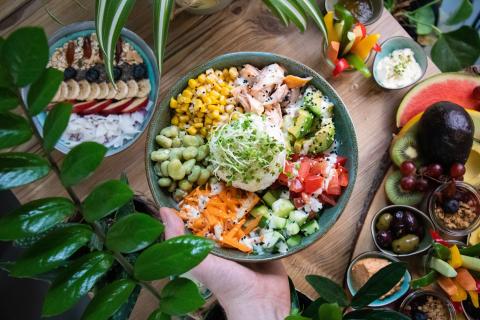
When you hear the phrase plant-based eating, what comes to mind?
For many people, it's a plate full of kale, giving up burgers forever, or becoming vegetarian overnight. It's easy to assume that eating more vegetables means you have to completely eliminate meat, poultry, fish, dairy, or eggs from your diet.
Here's the good news: that's simply not true.
Plant-based eating isn't an all-or-nothing lifestyle—it's a flexible way of eating that encourages adding more foods that come from plants while still allowing room for the other foods you enjoy. Whether you eat meat every day or only occasionally, incorporating more plant-based meals into your week can have a meaningful impact on your health.
Myth #1: You Have to Be Vegetarian to Eat Plant-Based
Myth: Plant-based eating means you can never eat meat again.
Fact: Plant-based eating simply means that some of your meals focus on plant foods like vegetables, fruits, whole grains, beans, lentils, nuts, seeds, and legumes. It doesn't require eliminating animal products unless you choose to.
Think of it as shifting the focus rather than following strict rules. You can enjoy a hearty vegetable chili on Monday, grilled salmon with roasted vegetables on Tuesday, and your favorite chicken tacos later in the week. Every plant-forward meal counts.
Myth #2: If You're Not "Perfect," It Doesn't Matter
One of the biggest barriers to healthier eating is the belief that you have to do it perfectly.
The reality is that small changes add up.
Replacing just a few meat-centered meals each week with plant-based options can help increase your intake of fiber, vitamins, minerals, and antioxidants while naturally reducing saturated fat. You don't have to completely overhaul your diet to start seeing benefits.
Progress is far more sustainable than perfection.
The Health Benefits of Eating More Plants
Adding more plant-based meals to your weekly routine offers a variety of health benefits, including:
More Fiber
Most Americans don't get enough fiber. Many plant foods are naturally rich in fiber, which helps:
- Support healthy digestion
- Promote fullness after meals
- Maintain healthy cholesterol levels
- Support stable blood sugar
Heart Health
Many plant-based foods are naturally low in saturated fat and rich in heart-friendly nutrients like potassium, magnesium, and healthy fats from nuts and seeds. Regularly including these foods may help support healthy blood pressure and cardiovascular health.
Better Gut Health
Your gut is home to trillions of beneficial bacteria that thrive on fiber. A variety of plant foods provides the nourishment these bacteria need, supporting a healthy digestive system and overall wellness.
Weight Management
Plant-based meals often provide a satisfying combination of fiber, protein, and water-rich foods that can help you feel full without feeling deprived. That doesn't mean every plant-based meal is low in calories, but many naturally encourage balanced portions and lasting satisfaction.
Reduced Risk of Chronic Disease
Research consistently shows that diets rich in fruits, vegetables, legumes, whole grains, and nuts are associated with a lower risk of conditions such as heart disease, type 2 diabetes, and certain cancers. Even modest increases in plant food intake can contribute to better long-term health.
Easy Ways to Add More Plant-Based Meals
You don't need to reinvent your entire menu. Start with simple swaps that fit your lifestyle.
Try:
- Bean or lentil chili instead of beef chili once a week.
- Black bean tacos with your favorite toppings.
- Vegetable stir-fry with tofu, edamame, or chickpeas.
- Whole wheat pasta tossed with roasted vegetables and white beans.
- Overnight oats topped with berries, nuts, and chia seeds.
- A hearty salad with quinoa, chickpeas, avocado, and a homemade vinaigrette.
Remember, adding plants doesn't mean giving up flavor. Herbs, spices, fresh ingredients, and creative combinations can make plant-forward meals just as satisfying as any traditional favorite.
It's About Addition, Not Restriction
One of the healthiest mindset shifts is focusing on what you can add instead of what you have to take away.
Add another serving of vegetables.
Add beans to your soup.
Add fruit to breakfast.
Add nuts or seeds to your yogurt or salad.
These small additions naturally make your meals more nutritious without feeling restrictive.
Plant-Based Can Look Different for Everyone
There's no single "right" way to eat more plants.
Some people enjoy one Meatless Monday each week. Others choose plant-based breakfasts and lunches while eating meat at dinner. Some simply increase the amount of vegetables on their plate while reducing the portion of meat.
Every approach is valid if it helps you build healthier habits that you can maintain.
The Bottom Line
Plant-based eating isn't about labels or rigid rules—it's about making room for more foods that nourish your body.
You don't have to become vegetarian to enjoy the benefits. By adding just a few plant-based meals to your weekly rotation, you can increase your intake of fiber, vitamins, minerals, and antioxidants while supporting your heart, digestive health, and overall well-being.
Start where you are. Try one new plant-based recipe this week. Discover flavors you enjoy. Build from there.
Healthy eating doesn't have to be perfect—it simply has to work for you. And when it comes to plant-based eating, doing it your way is exactly the point.
“This publication is funded by the Centers for Medicare & Medicaid Services (CMS) of the U.S.
Department of Health and Human Services (HHS) as part of a financial assistance award totaling $147,250,805.85, with 100 percent funded by CMS/HHS. The contents are those of the author and do not necessarily represent the official views of, nor an endorsement, by CMS/HHS, or the U.S. Government.“